Vein problems rarely start as emergencies. They creep in as ankle swelling after work, a ropey vein that only seems cosmetic, or an itch around the shins that flares at night. Too often, people wait until the discomfort turns into throbbing pain, skin discoloration, or a wound that refuses to heal. A well-trained vein treatment specialist can keep you from reaching that point, with options that fit your anatomy, your goals, and your schedule.
I have spent years working alongside vein and vascular doctors and interventional colleagues, and I have seen how the right approach can change daily life. Not just legs that look better, but legs that feel lighter by afternoon, and skin that stops breaking down. This guide breaks down what actually works, who is a good candidate for each option, and how to find a vein care provider who treats you like a partner.
What a vein specialist actually does
Different professionals treat veins, and the titles can be confusing. A leg vein specialist might be trained in vascular surgery, interventional radiology, or vascular medicine. Many also carry certification in phlebology, the medical field focused on venous disease. A seasoned venous specialist doctor understands both the cosmetic and medical sides of care, and knows when to escalate from stockings to procedures, or when to hold off entirely.
In practice, a vascular vein specialist evaluates problems across the spectrum:
- Varicose and spider veins. A varicose vein specialist or spider vein specialist treats visible veins, but also addresses the underlying reflux that often drives them. Venous insufficiency and reflux. A venous insufficiency specialist identifies failing valves in the saphenous system or perforator veins. Closure of the leaking vein often relieves heaviness and swelling. Venous ulcers and skin changes. A chronic vein doctor or venous care specialist manages ulcers with both compression and targeted interventions, reducing recurrence. Thrombophlebitis and deep vein issues. A doctor for vein inflammation handles superficial clots and knows when to screen for deep vein thrombosis. A peripheral vascular doctor or vein and artery doctor coordinates care if arterial disease is also present. Pelvic and central venous problems. Some interventional vein doctors also treat pelvic congestion syndrome or iliac vein compression, working as a vein intervention specialist in conjunction with imaging and stenting where appropriate.
A good vein health specialist talks through root causes, not just symptoms. They consider weight, activity, family history, prior pregnancies, job demands, and footwear. They measure how much extra venous pressure your legs endure by day and what can be done about it.
When to see a specialist
People book consults for many reasons. Some come for small clusters of broken capillaries around the ankles, others for aching that wakes them at night. I pay attention to a few specific patterns.
If you notice a heavy or full sensation by afternoon, itch around the calf or ankle, cramping after standing, or new bulging veins, consider a visit with a vein treatment specialist. Skin changes around the ankles, such as brownish staining or a thin, fragile texture, suggest more advanced venous hypertension. Wounds that take weeks to close or reopen easily should be seen by a doctor for venous ulcers. Sudden swelling or tenderness along a vein may warrant a same week evaluation by a vein disorder doctor to rule out a clot.
The person you choose might be described in different ways, such as a vascular care doctor, vein medical specialist, comprehensive vein doctor, or licensed vein doctor. Focus less on the label and more on actual training, imaging quality, and the breadth of options offered.
How diagnosis works
The backbone of vein evaluation is a detailed exam and a duplex ultrasound performed by a skilled vein ultrasound specialist. A quick look with a handheld device is not enough. Proper mapping means more than finding a leaky valve, it means understanding the pathway of reflux from the groin to the calf, which tributaries are involved, and whether deep veins are open and competent.
High quality labs are usually accredited and staffed by a registered vascular technologist. If your clinic uses an outside imaging facility, ask whether the sonographer has specific experience with venous reflux studies. Velocity measurements, reflux duration, and vein diameter all inform whether a closure treatment is likely to succeed.
Beyond ultrasound, a vein diagnostics doctor may order blood work if you have had unexplained clots, or additional imaging if pelvic or iliac vein problems are suspected. A circulation specialist doctor looks for concomitant arterial disease before placing anyone in tight compression.

I have seen cases where people were scheduled for a procedure based on a hurried scan, only to discover that their primary issue was lymphatic, not venous. A careful exam avoids wrong turns.
What you can do without a procedure
Not every problem needs a catheter, a laser, or an adhesive. A vein management doctor or venous treatment doctor will often start with conservative measures, sometimes as a step toward insurance approval, but often because they work.
Compression, correctly fitted, reduces ankle swelling and improves symptoms almost immediately. People give up because they choose a garment that is too tight, too warm, or too hard to put on. A practical target is 15 to 20 mmHg for mild symptoms or 20 to 30 mmHg for more significant swelling. A vein care physician can write a prescription that allows for a proper fitting at a medical supply shop.
Movement helps pump venous blood back to the heart. Calf raises, walking breaks, and ankle circles during long meetings or flights all matter. Hydration and weight management reduce venous pressure. For someone who stands all day, a simple rotation, 50 minutes standing, 10 minutes seated with feet up, can change how the legs feel by evening.
Topicals will not fix reflux. They can, however, calm itchiness and stasis dermatitis while you address the underlying issue. If inflammation along a superficial vein appears, rest, elevation, and nonsteroidal anti inflammatory medication may help, but do not skip evaluation, especially if redness spreads.
Minimally invasive treatments that truly work
Around two decades ago, many people still experienced surgical vein stripping that required general anesthesia and left substantial bruising. Nowadays, a vein closure specialist or interventional vein doctor offers office based procedures with local anesthesia, active walking the same day, and a return to normal activity within a day or two. The best choice depends on your anatomy and goals. Here is a concise comparison of the core options used by experienced vein treatment providers.
- Endovenous thermal ablation, using radiofrequency or laser. A catheter heats the inside of a refluxing saphenous vein to seal it shut. Success rates typically reach 90 to 98 percent at one year, with low complication rates. Good for straight segments of the great or small saphenous vein. Expect tumescent anesthesia along the course of the vein, a tight sensation for a few days, and brisk walking the same evening. Cyanoacrylate closure, often called vein sealing or vein closure treatment with medical adhesive. No tumescent anesthesia, and often no stockings afterward. Useful for those who cannot tolerate numbing fluid or compression. Some experience a mild inflammatory reaction along the treated vein that resolves with time. Mechanochemical ablation. A rotating wire plus sclerosant roughens and closes the vein. Less anesthesia than thermal options, and suitable for certain anatomies. Success rates are good, though long term data are slightly less robust than thermal ablation. Ultrasound guided foam sclerotherapy. A vein injection specialist doctor mixes a sclerosant with gas to create foam, then injects under ultrasound into refluxing segments or tributaries. It is versatile and repeatable, helpful for tortuous veins, and often used after a trunk ablation to finish the job. Expect temporary firmness or discoloration that fades over weeks. Ambulatory phlebectomy. A doctor for ambulatory phlebectomy removes bulging surface veins through micro incisions with local anesthesia. It immediately eliminates the ropey segments that bother people cosmetically and symptomatically. Bruising is common for 1 to 2 weeks, but patients walk out the door.
For spider veins and small reticular veins, a cosmetic vein specialist doctor often uses liquid sclerotherapy or surface laser, sometimes both. Spider veins are not medically dangerous, yet they can ache and itch. Treat what you see, and if clusters return quickly, ask a vein reflux doctor to look for a deeper source.
Perforator veins can also reflux and contribute to ulcers. In selected cases, treatment of an incompetent perforator with thermal or chemical closure accelerates healing. An expert in venous disorders will weigh the benefit against the risk of nerve irritation.
Edge cases matter. Someone with severe tortuosity may not be an ideal candidate for catheter based closure of the entire segment. Foam offers a better approach. Very large diameters, more than 2 centimeters, may push a team toward a hybrid plan, ablation plus phlebectomy. A doctor for vein stripping alternatives can walk you through how modern choices replace most but not all of what stripping tried to accomplish.
Risks, expectations, and recovery
No procedure is zero risk. Infection is rare. Bruising and a transient tight band sensation along a treated vein are common. Numbness can occur if a small sensory nerve is irritated, more likely near the ankle with small saphenous treatment. A vein ablation specialist doctor minimizes this by careful ultrasound mapping and by staying away from nerve rich zones.
Deep vein thrombosis after office vein procedures is uncommon, typically well under 1 percent. The risk rises with a personal clotting history, active cancer, recent surgery, or hormonal therapy. A vein disease expert will screen for these and may prescribe a short anticoagulant course around the time of treatment.
Most people return to work within one to two days. Walking is encouraged the same day. Avoid heavy leg day workouts for a week or two. Compression for seven to fourteen days is standard after thermal ablation and phlebectomy. Adherence reduces tenderness and improves early comfort.
If you are planning a long flight soon after treatment, bring it up at your consult. A venous reflux specialist may adjust timing or recommend specific precautions, such as stockings, hydration, and movement plans in flight.
Special situations where judgment matters
Pregnancy related veins. Hormones and blood volume changes make valves more lax. Many women notice new varicose veins in the second or third trimester. These often improve within six to twelve months after delivery. A vein and leg pain specialist may use compression and defer procedures until after breastfeeding. If a clot forms in a superficial vein during pregnancy, evaluation is important to ensure deeper veins are clear.
Obesity and limited mobility. Extra abdominal pressure impairs venous return. Procedures still work, but expectations should be realistic. Weight loss, even 5 to 10 percent, often amplifies the benefit. I have had patients tell me they could finally tolerate walking programs once the aching improved post ablation.
Arterial disease. If pulses are weak or you have a history of peripheral arterial disease, a vascular medicine doctor will evaluate blood flow before prescribing compression. In advanced arterial disease, compression must be tailored or avoided.
Prior DVT and scarring. A doctor for deep veins considers how previous clots and residual narrowing affect the plan. Treating superficial reflux can still help symptoms, but may not fully resolve swelling if the deep system is compromised. Iliac vein stenting may enter the conversation in selected cases, best handled by a vein and circulation doctor with central venous experience.
Athletes and active professions. People who run, dance, or work in physically demanding roles usually return quickly after minimally invasive therapy. I ask them to skip impact for about a week after trunk ablation, then ramp up as comfort allows.
Myths that derail good care
Spider veins are only cosmetic. Not always. While small vessels on the surface are not dangerous, they sometimes reflect deeper reflux. If clusters keep returning in the same region, request a deeper look by a vein imaging specialist.
I will be out of work for weeks. Outdated. Office based closures usually take under an hour, with a return to desk work the next day. People in heavy labor jobs may need a few extra days.
If the vein is gone, blood flow will be harmed. Refluxing veins are not contributing productive flow. Sealing them reroutes blood into healthy veins and often improves overall efficiency.
Stockings alone cure varicose veins. They help symptoms and slow progression, but they do not fix failing valves. For durable results, a vein therapy specialist often pairs good habits with targeted closure or removal.
What a first visit feels like
Expect a conversation about your symptoms and goals, a physical exam with you both standing and seated, and a duplex ultrasound either that day or at a Milford vein doctor future appointment. A vein evaluation specialist will trace symptoms to a map of your veins, then explain the logic for each option.
I frequently sketch the saphenous system during consults and show patients where reflux begins and how it cascades into bulges and swelling. A simple drawing often turns anxiety into clarity. If you leave without understanding the plan or the anatomy, ask for another explanation. A good vein consultation specialist wants you to be confident about the path ahead.
Outcomes you can reasonably expect
Symptom relief often shows up within days, but the full benefit unfolds over weeks. Heaviness lifts first, then swelling improves as the lymphatic system catches up. Skin itch and inflammation settle. Discoloration can take months to fade, and long standing stains may never vanish completely, though they often lighten. Bulging veins addressed by phlebectomy flatten right away, with the final cosmetic look appearing as bruising resolves.
Recurrence is always possible. Valves fail with age and genetics, and new tributaries may dilate under pressure. A vein solutions doctor frames results as a long term partnership, with touch ups as needed. That is normal care, not a sign of failure.
What it costs and how insurance views it
Many insurers consider treatment of documented venous reflux medically necessary when symptoms affect function despite a trial of compression, typically six to twelve weeks. A vein treatment physician will submit ultrasound findings that include reflux duration and vein size, along with notes about symptoms and failed conservative therapy.
Out of pocket costs range widely. For insured patients meeting criteria, copays and deductibles apply, and you should ask the center for vein treatment doctor to verify benefits in advance. For self pay cosmetic sclerotherapy, sessions might range from a few hundred to over a thousand dollars, depending on region, solutions used, and the time required. Ambulatory phlebectomy and trunk ablations, when cosmetic only, are more. Centers vary in pricing transparency, so request a written estimate.
How to choose the right specialist
You deserve a clinician who treats the whole problem, not just the obvious vein. Credentials matter, but so does how a practice operates. Use this short checklist when you interview a clinic for vein doctor services.
- Training and certification. Ask whether your vein and vascular doctor is board certified in vascular surgery, interventional radiology, or vascular medicine, and whether they hold certification in phlebology. Imaging quality. Look for an in house accredited lab and a registered vascular technologist, or a trusted partner lab. The scan should be done standing when appropriate to reveal reflux. Breadth of options. A center that offers only one procedure tends to recommend it to everyone. A comprehensive vein doctor should comfortably discuss thermal ablation, adhesive closure, foam sclerotherapy, and phlebectomy. Follow up and access. You should know who to call after hours, how results are communicated, and whether touch ups are planned or ad hoc. Patient experience. Read reviews for insights into scheduling, billing clarity, and how well the team explains things. Ask friends or your primary care clinician for local referrals.
If the consultation feels rushed or you are steered to a procedure without a proper ultrasound, keep looking. A certified vein specialist will welcome your questions and offer alternatives.
Two brief stories that show what works
A teacher in her forties came in with aching calves and a cluster of spiders around the ankle. She had tried knee high stockings that rolled down. Her ultrasound showed reflux in the great saphenous vein starting at mid thigh. We closed the trunk with radiofrequency, then two weeks later did foam sclerotherapy for the ankle network. She walked her dog that evening and taught the next day. Three months later the spiders were faint, the heaviness gone, and she wore 15 to 20 mmHg stockings only on long conference days.
A retiree with a stubborn medial ankle ulcer had been in compressive wraps for six months with slow progress. His scan revealed an incompetent perforator feeding that region and reflux in the small saphenous vein. After treating the trunk with adhesive closure and the perforator with targeted thermal therapy, the ulcer granulated and closed in four weeks. He still wears 20 to 30 mmHg stockings and sees the vein care provider every six months for check ins. Durable healing came from pairing wound care with the right venous intervention.
Life after treatment
Habits still count. A vein restoration doctor will encourage continued walking, calf strengthening, weight management, and the smart use of compression for travel or long workdays. For people with a strong family history, a quick annual ultrasound reassures that treated segments remain closed and that new reflux has not emerged. If a tender cord appears, or a new bulge pops up, a vein assessment doctor will sort out whether it is a minor tributary or something that needs attention.
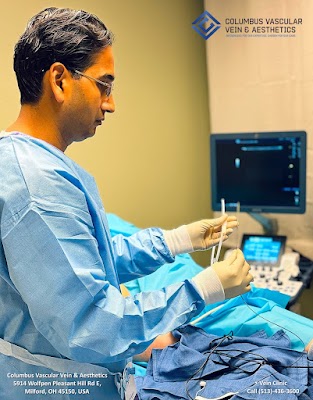
Most patients tell me that the biggest change is timing. By late afternoon their legs no longer command the evening. They climb stairs without that leaden pull. They stop planning outfits around sleeves to hide veins. When venous hypertension is relieved, quality of life follows.
The bottom line
What works is a matched plan, guided by a skilled vein management doctor who uses high quality ultrasound and the full modern toolkit. Endovenous thermal ablation, adhesive closure, mechanochemical ablation, ultrasound guided foam, and ambulatory phlebectomy each have a place. Stockings and movement remain partners in care. Good results feel like lighter legs, quiet skin, and fewer limitations on what you can do with your day.
If you are starting your search, ask for a consult with a vein medical specialist who takes the time to map your anatomy and your goals. Whether you are dealing with spider veins, bulging varicosities, or a slow healing wound, there is a pathway that fits. The right vein treatment provider will help you find it and walk it with you.